How Does Server Room Monitoring Work?
Wall-mounted thermostats or building automation readings do not always reveal hot spots inside racks. Separately monitoring rack air inlets and critical room locations provides early warning.
How Is the AKCP Solution Implemented?
Temperature/humidity sensors at room and rack level, water-leak cables around air-conditioning units, door contacts and, where required, smoke/power monitoring can be used. Alarm thresholds and recipients are configured according to operating procedures.
Featured Products and Components
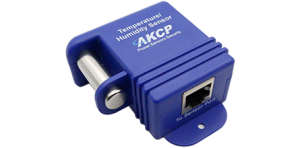
Temperature and Humidity Sensors
Selected according to monitoring scope; model, sensor compatibility and technical limitations are verified against project requirements.
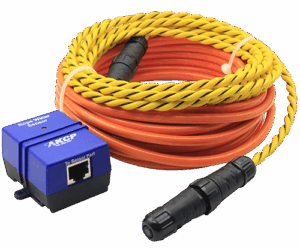
Water Leak Detection
Measurements are sent to the central monitoring system; alarm thresholds and notification rules are configured as required.
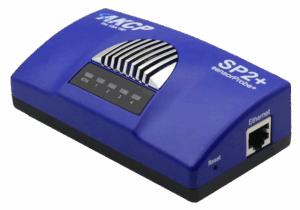
sensorProbe Monitoring Unit
Used to consolidate data from multiple points for visualization, logging and alarms.
Where Is It Used?
Corporate server rooms, hospital and university IT rooms, municipal facilities, factory control rooms and branch-office server rooms.
Items to Confirm During Project Design
- Monitoring points and sensor placement
- Normal operating ranges, alarm thresholds and notification recipients
- Integration with existing BMS, NMS, DCIM or other systems
- Power supply, network connectivity, cabling and maintenance access
Monitor temperature, humidity, signs of air-conditioning failure, water leaks and door status in server rooms through a unified monitoring system. Product models and integration compatibility are confirmed against site requirements and current manufacturer documentation.
Discuss Your ProjectTechnical verification and product details: Official AKCP resource page ↗