
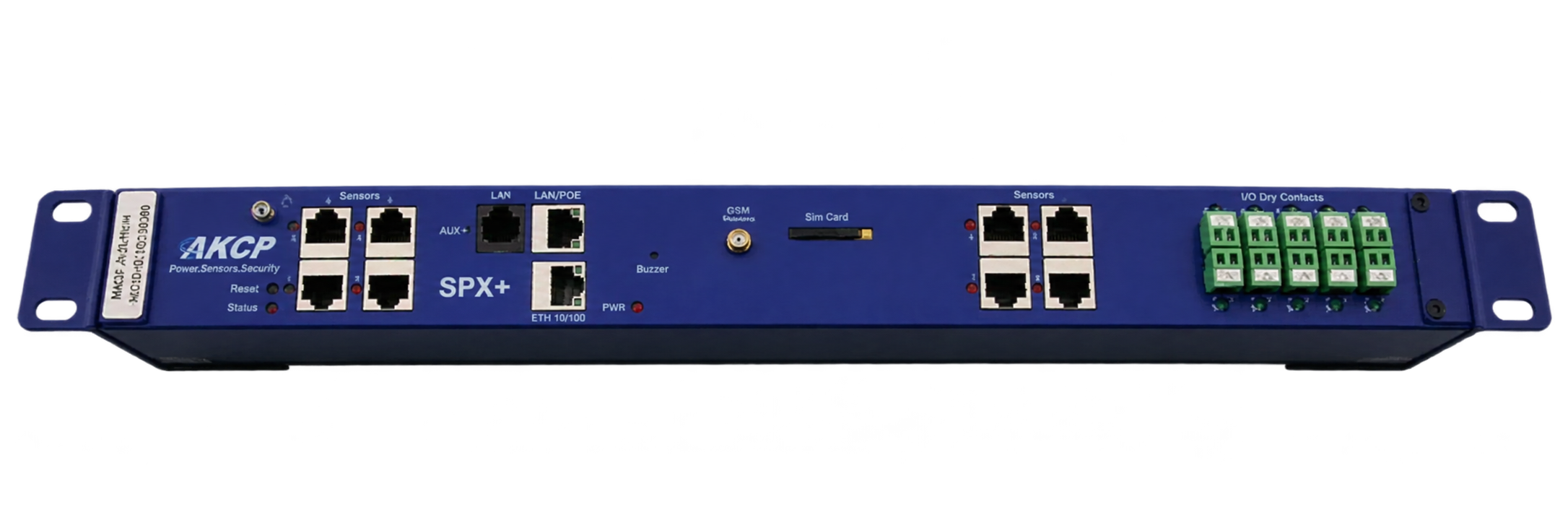
AKCP PRODUCT FAMILY
sensorProbeX+
Modular and Scalable MonitoringSuitable for installations requiring additional sensors and flexible I/O options.
Product Technical Information ↗Temperature, humidity, lighting, air quality and security monitoring solutions that help protect museum collections, display cases, archives and historical artifacts.
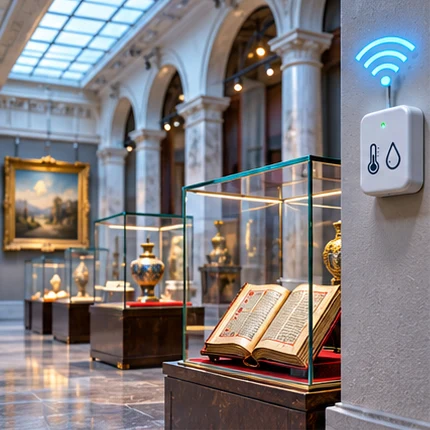
In archives and museums, daily and seasonal changes matter as much as instantaneous readings. Position measurement points near artifacts and set appropriate monitoring thresholds for different collections.
Materials such as paper, wood, leather, textiles and photographs respond differently to environmental changes. Measure temperature and relative humidity near the objects and track rapid fluctuations and long-term deviations in charts. Define conservation thresholds according to collection type and conservator guidance rather than a single fixed value.
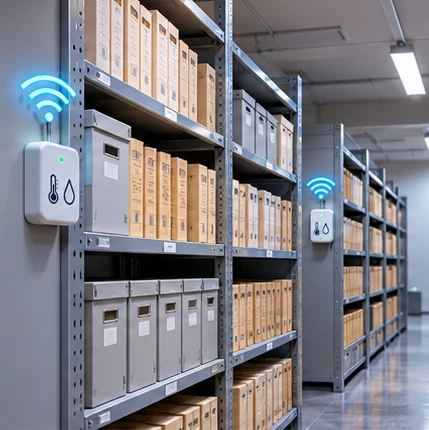
Temperature and humidity inside a display case may differ from gallery conditions. Monitor cases and exhibition areas separately using suitable compact or wireless sensors. Update sensor positions when exhibits change and consider more frequent sampling and alerts for vulnerable displays.
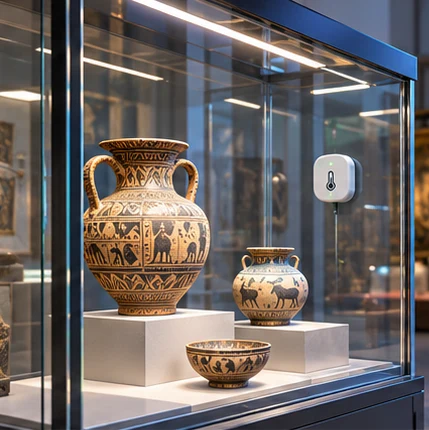
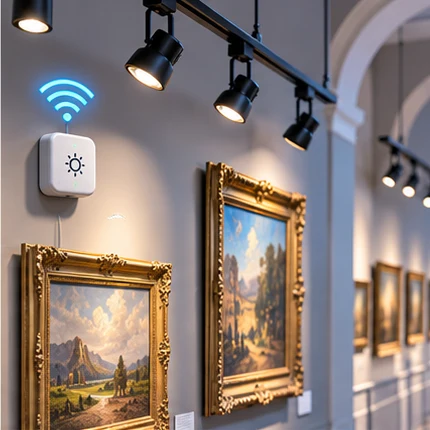
Light can permanently damage paper, textiles, photographs and pigments. Assess visible light levels (lux) and UV exposure using suitable specialist instruments. Lighting and display-case management can be included in an environmental monitoring project; not all AKCP sensors measure lux or UV directly.
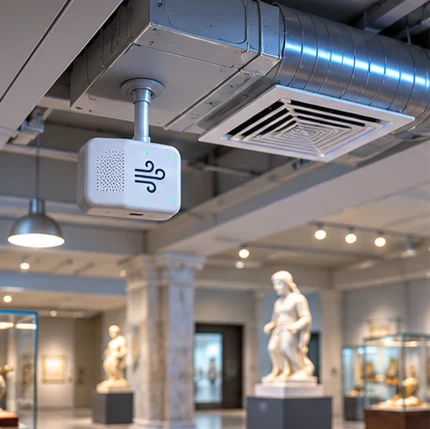
Particulate matter, VOCs and other air pollutants matter for artifact preservation. Suitable air-quality sensors can monitor selected indicators, while artifact-specific pollutant analysis may require specialist sampling. HVAC conditions should be reviewed alongside environmental trends.
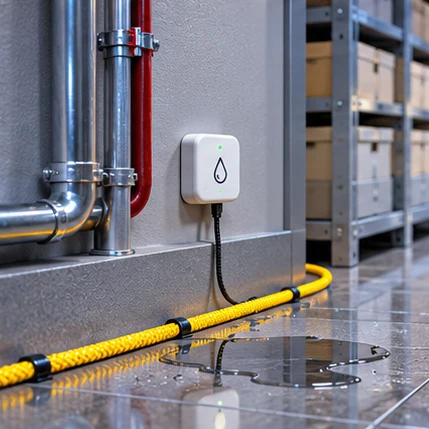
Install appropriate leak sensors near water pipes, HVAC drains, roofs and floor-level risk areas. Early detection near sensitive collections can reduce response times. Leak detection can be integrated with alarm panels and maintenance notifications.
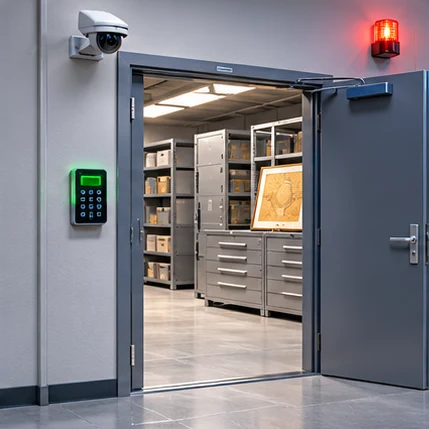
Include door open/closed status, authorized access events and suitable IP camera footage in the monitoring plan. Doors left open in sensitive storage areas may also disrupt environmental stability. Permissions and retention periods should follow institutional policy.
Data from AKCP temperature, humidity, water leak and access sensors can be collected by networked controllers. Quicklime can display supported measurements, charts, alarms and multiple locations. Historical readings help evaluate exhibitions, maintenance, HVAC and conservation activities.
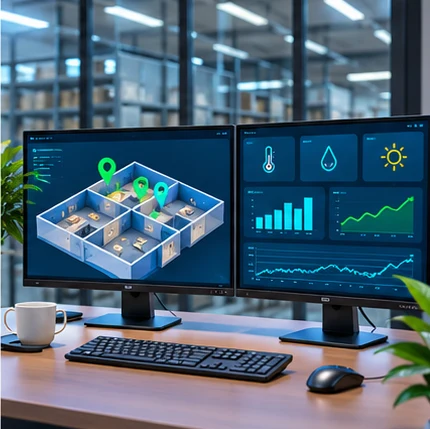
No. Target ranges should reflect the materials, historical conditions, building characteristics and conservation assessments. Monitoring sudden fluctuations is especially important.
Measuring the microclimate inside a case can benefit sensitive objects. Sensors must not touch artifacts, and readings should represent conditions inside the case.
Temperature, humidity, leaks and access are core AKCP monitoring areas. Compatibility with selected lux and UV instruments must be verified for each project.
Historical trends help compare faults and HVAC changes and support documented conservation and audit decisions.
Sources: AKCP environmental monitoring; Vaisala museum and archive measurements; Museums Galleries Scotland environmental monitoring guidance; NEDCC collection preservation.










































Global brands selected from the shared reference archive; these are not a list of Teknoans direct customers.View All References ↗
The following product families may be considered. Final selection depends on measurement points, sensor count, cable routing, communications and alarm requirements.
Suitable for installations requiring additional sensors and flexible I/O options.
Product Technical Information ↗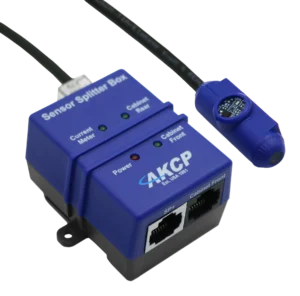
Monitors temperatures at different rack heights to identify hot spots and airflow problems.
Product Technical Information ↗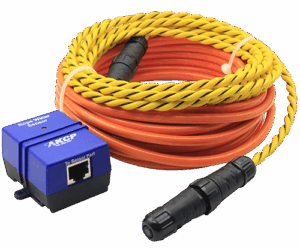
Helps detect leaks under raised floors, near cooling equipment and in water-risk areas.
Product Technical Information ↗
Integrates electrical measurements into the monitoring architecture when appropriately configured.
Product Technical Information ↗Product photos and technical details are sourced from official AKCP product pages. Compatibility, options and licenses should be verified before deployment.
Share your project and technical requirements.