
AKCP-BASED ENVIRONMENTAL MONITORING · TEKNOANS
AKCP · POWER MONITORING SENSORS

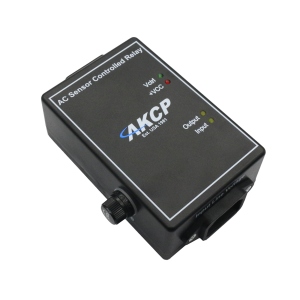
AC Sensor Controlled Relay

Control electrical power to network-managed devices and automatically respond to sensor alarms by remotely switching fans, lighting and other AC loads.

AKCP AC Sensör Kontrollü Röle
◉AC Power ControlControl 110 VAC / 220 VAC mains loads
⌁Sensor-ControlledRespond automatically to sensor conditions
↔SNMP ControlRemote control using command-line tools
▣Web InterfaceEasy configuration and management
⚡MOV + SnubberProtection against voltage spikes and electrical interference
●4 Status LEDsRelay, power, AC input and load status
✓Auto-SenseAutomatic detection, including disconnection alarms
⏱Automatic ResponseReduces the need for manual intervention during alarms

AC Sensor Controlled Relay

The AKCP Sensor Controlled Relay controls electrical power to network-managed devices. It integrates easily with the sensorProbe product family, enabling automatic and remote power management.

The relay can be controlled by a wide range of AKCP sensors. An alarm can trigger an automatic action. For example, a fan can be switched on when room temperature exceeds a configured threshold, or a light can be activated when a motion detector is triggered. Built-in auto-sense functionality and an intuitive web interface simplify setup.

SNMP Compatible

The Sensor Controlled Relay can be controlled interactively or programmatically from external computers using the included SNMP command-line tools. It can also be managed through the integrated sensorProbe+ web interface.

Advanced Protection Components

Metal Oxide Varistors (MOVs) and snubber circuits protect open relay contacts against high-voltage spikes and transient electrical interference. The product monitors supply and load status and accepts control signals from a sensorProbe or securityProbe main unit.

The simple point-and-click web interface allows the relay to be linked to a sensor. When the sensor enters a selected state, such as High Critical, the relay can cycle for a specified period to switch an external device on or off. For example, the relay can be configured to run a 20-second cycle in the High Critical state.

Users can easily adjust the fields in the Relay Settings menu using drop-down lists.

Faster Automated Response

Automatic responses provide greater flexibility when handling environmental alarms. Switching actions can occur automatically when an alarm condition is detected, reducing the need for user intervention.

An internal fuse provides additional protection against damage to external devices caused by overvoltage or excessive current. Four on-board LEDs indicate relay status. Status can be monitored remotely via SNMP traps, the web interface, email and SMS.

Technical Specifications

Input Voltage110–220 VAC – IEC C14
Output Voltage110–220 VAC – IEC C13
Relay / IEC Rating10 A at 220 VAC; 10 A at 110 VAC
Contact MaterialAgCdO
Carrying Current10 A
Maximum Operating Voltage250 VAC
Maximum Operating Current10 A
Maximum Switching CapacityResistive load: 16 A @ 250 VAC; inductive load: 8 A @ 250 VAC (P.F. = 0.4)
Fuse10 A; 380 VAC / 125 VDC
Status IndicatorsLEDs indicate input voltage, output voltage, sensor power and relay status.
Operating Temperature-40°C – 70°C
Storage Temperature-40°C – 70°C
EnduranceMaximum switching rate: 18,000 operations/min without load and 1,800 operations/min at rated load. Expected mechanical life: 20 million operations (no load); electrical life: 100,000 operations (rated load).
Communication CableUTP CAT5e/6 over RJ-45
Power SupplyPowered by the controller; no additional power supply required
Power ConsumptionTypical 471 mW, 94.20 mA
Maximum Cable LengthStandart CAT5/6 LAN kablosuyla RJ-45 Intelligent Sensor portundan 30 metreye (100 ft) kadar
Dimensions115 × 80 × 40 mm

Compatibility note:According to AKCP's current product information, sensorProbe+ units may update sensor firmware through the main unit after initial connection or an upgrade. On sensorProbeX+, sensor firmware can be updated through the main-module sensor ports.

AKCP Technical Datasheet (PDF)