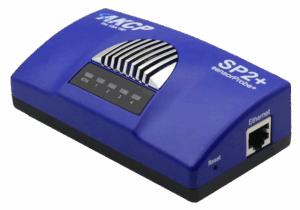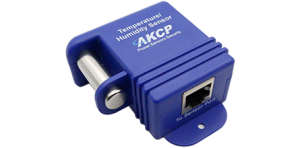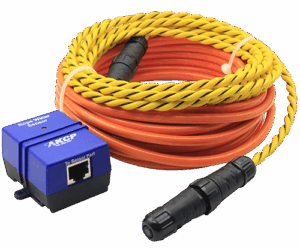
How Does Poultry and Livestock Monitoring Work?
Ventilation or climate-control problems can rapidly change facility conditions. Alarm thresholds should be determined by specialists with consideration for animal species and operating procedures.
How Is the AKCP Solution Implemented?
Temperature and humidity sensors, dry contacts reporting ventilation or equipment status, and suitable communications infrastructure should be considered together. Sensor resistance to dust, moisture, washing and chemicals must be verified before installation.
Featured Products and Components
Temperature and Humidity Monitoring
Selected according to monitoring scope; model, sensor compatibility and technical limitations are verified against project requirements.
Dry Contact Inputs
Measurements are sent to the central monitoring system; alarm thresholds and notification rules are configured as required.
Remote Alarms and Data Logging
Used to consolidate data from multiple points for visualization, logging and alarms.
Where Is It Used?
Poultry houses, livestock facilities, hatcheries and controlled agricultural production areas.
Items to Confirm During Project Design
- Monitoring points and sensor placement
- Normal operating ranges, alarm thresholds and notification recipients
- Integration with existing BMS, NMS, DCIM or other systems
- Power supply, network connectivity, cabling and maintenance access
Monitor temperature, humidity and selected technical contacts in poultry and livestock facilities to detect environmental changes earlier. Product models and integration compatibility are confirmed against site requirements and current manufacturer documentation.
Discuss Your ProjectTechnical verification and product details: Official AKCP resource page ↗